By Bill Carey
21 July 2024
The scrutiny of age and ability is popular these days. Physical fitness and mental acuity are often observed and questioned, with interpretations of each frequently being challenged.
In the case of politics, the optics of age and ability can make or break a legislator’s future. While it does not significantly impact one’s longevity in the fire service, it does raise concerns about a fire department’s staffing and recruitment.
When an elderly firefighter dies, two common responses are:
- They were too old to be active, or
- They died doing what they love.
These typically apply to volunteer firefighters. Staffing has been a problem for decades, and some volunteer fire departments across the country rely on whatever personnel are available, sometimes despite limited and declining physical abilities.
This article looks at the age range of 61 years old and older as recorded by the United States Fire Administration (USFA). This age range is usually a large percentage of the total number of on-duty deaths.
There are 32 on-duty deaths recorded as of 17 July. Of those 32, 11 (34%) are firefighters 61 years old and older. The other years’ numbers are:
2023: 22 (25%)
2022: 17 (18%)
2021: 32 (22%)
2020: 26 (25%)
2019: 20 (31 %)
The on-duty deaths of firefighters 61 years old and older are a significant percentage of each year’s total number. Most of these are non-traumatic deaths caused by stress and overexertion.
Research of 5,000 firefighters from a large municipal fire department found that aerobic capacity diminishes among firefighters in their 20’s, 30’s and 40’s [1]. The percentage of body fat also increased in these ages. It also found that resting blood pressure among firefighters 50 to 55 years old and 60 to 65 years old was significantly higher than among firefighters in their 20s.
Career and some combination fire departments likely have mandatory physicals and retirement ages. This is not the case for many volunteer fire departments. In many locations, volunteer staffing depends on the time of day and who is available, often leaving the elderly firefighter as the ‘daytime driver.’
It is easy to say that volunteer firefighters should retire from operational duties at a certain age; however, this statement does not offer any practical solution.
Many volunteer fire departments continually face the daily worry of being able to respond to calls and public scrutiny over failed responses. Retention of personnel is crucial and should include annual medical and fitness exams. Allowing elderly firefighters to be active in fireground operations, including driving, without regard to a natural decline of the body’s fitness is simply hoping they do not die on a call.
Just because they ‘feel’ they can keep working or obliging them to remain operationally active as a reward for several years of service does nothing for their health and welfare and concern for their family.
If we are concerned with the optic of age and ability in less physically demanding vocations, what does that say when we ignore it in ours?
References
- Saupe, K., Sothmann, M., & Jasenof, D. (1991). Aging and the fitness of firefighters: The complex issues involved in abolishing mandatory retirement ages. American Journal of Public Health, 81(9), 1192-1194. https://doi.org/10.2105/ajph.81.9.1192
Related
Snapshot: On-Duty Deaths 65 and Older
FireRescue1: How old is too old in the fire service?
FirefighterNation: The Aging Firefighter – Health and Fitness Considerations Throughout a Career
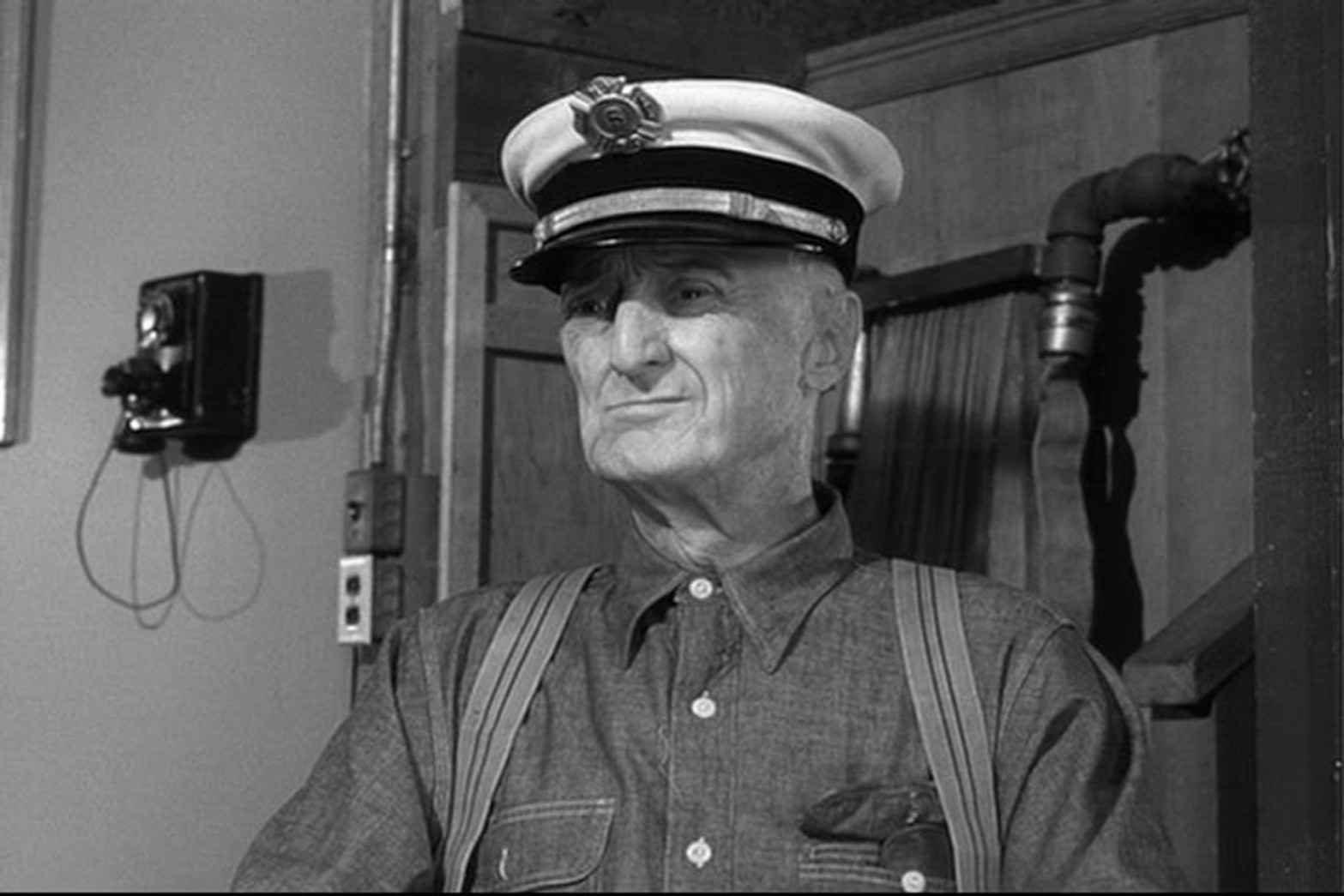
Photograph courtesy of Kayro Productions.
 Data Not Drama