This is the fifth in a series of articles explaining how imagery and promotion cultivate fear in the fire service. It is recommended to read the previous articles to understand the concepts.
How Did We Become Scared of the Roof? The Visual
The Picture Superiority Effect, Fear and Firefighters’ Perception of Risk
Emotional Anchoring Through Images: How Visuals Shape Perception and Risk in Firefightin
How Emotional Anchoring Shapes Online Risk Perception and Fireground Decisions
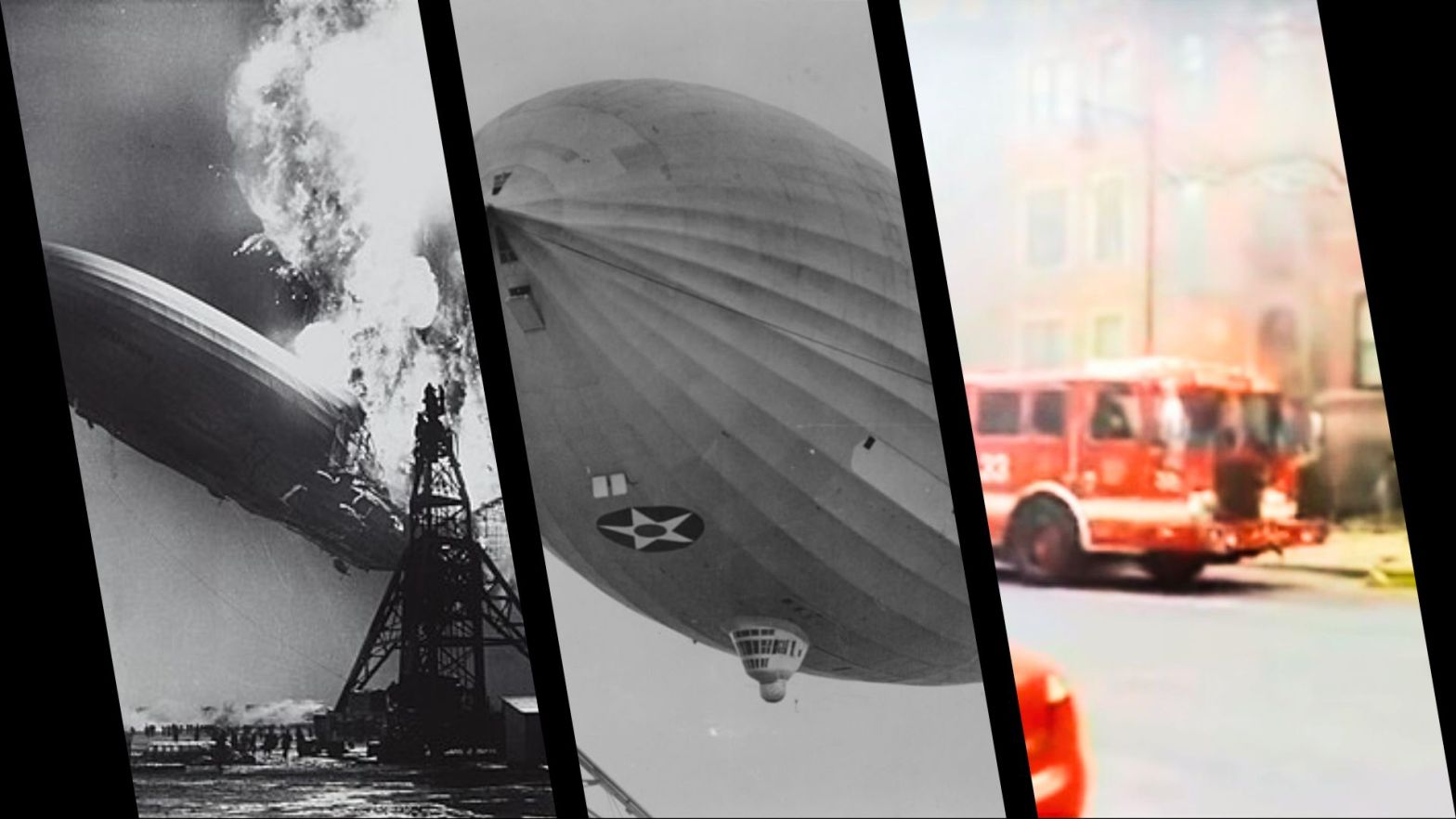
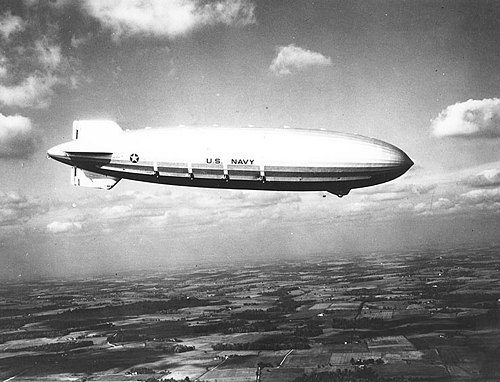
Why does almost everyone know about the Hindenburg disaster, but hardly anyone remembers the USS Akron despite the latter being far deadlier?
On May 6, 1937, the German passenger airship Hindenburg burst into flames while attempting to land in Lakehurst, New Jersey, killing 36 people. The disaster was witnessed by a crowd, recorded on film, photographed in real-time and broadcast on radio, most famously with Herbert Morrison’s anguished cry, “Oh, the humanity!” These visuals and sounds formed an indelible emotional anchor in public consciousness. The Hindenburg didn’t just explode; it was seen exploding and that made all the difference.
Four years earlier, on April 4, 1933, the U.S. Navy’s rigid airship Akron crashed off the coast of New Jersey during a storm, killing 73 of the 76 crew onboard making it the deadliest airship accident in history. But unlike the Hindenburg, there was no live audience, no dramatic photographs, no cinematic footage. The Akron’s death was largely invisible and with that invisibility came historical obscurity.
Emotional Anchoring and Picture Superiority
This disparity in memory illustrates two psychological concepts: emotional anchoring and the picture superiority effect.
Emotional anchoring occurs when emotionally charged content—especially imagery—is linked to an event in memory. These anchors don’t just help us remember; they shape how we interpret similar events and risks in the future. A flaming zeppelin frozen in a photograph, or a desperate voice crackling through a radio, lodges deeper than statistics ever could.
Meanwhile, the picture superiority effect refers to the psychological phenomenon where people remember images better than words. Studies consistently show that the human brain processes and recalls pictures faster and more effectively than text or audio. In the case of the Hindenburg, the iconic image of the inferno became shorthand for catastrophe and used in everything from history books to documentaries to pop culture.
The Akron had no such visual legacy. It vanished into the sea and into the shadows of collective memory.
The Implications
This imbalance in memory isn’t just a quirk of history—it shapes public perception of risk, tragedy and importance. The Hindenburg is remembered as a defining moment in aviation history; the Akron is often a footnote. That difference affects how we tell stories, prioritize safety and even honor the dead.

Two photos from the Boston Back Bay fire in 2014 that killed Lieutenant Edward Walsh and Firefighter Michael Kennedy. Which one do you think elicited the greatest reaction?
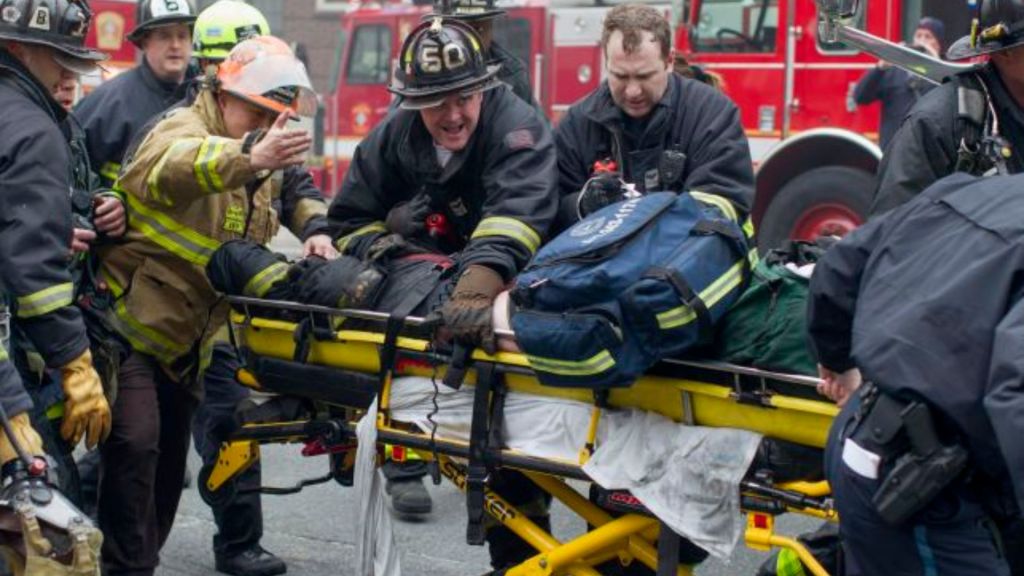
Working at FirefighterNation at the time, we were posting news of the fire as photos of Walsh and Kennedy started appearing online. I asked my editor, Dave Ianonne, if we should use these, as it did not seem proper to me. Dave agreed; use photos from the scene, but not those photos of the firefighters. It was a good decision as two other sites used the photos and faced a severe backlash on social media from readers.
Same fire, but two images with very different emotional anchoring.
Visuals can anchor an event emotionally and culturally, influencing what we remember—and what we forget.
Lead image photo credits: Hindenburg (National Archives); USS Akron (Naval Historical Center); Boston Back Bay fire (YouTube).
 Data Not Drama
One thought on “When Images Anchor Memory: The Hindenburg, the Akron and the Power of Visual Emotion”