
By Bill Carey
21 December 2024
Occasionally, an article or comment surfaces, urging the fire service to stop dwelling on the “old days,” the “war years,” or any period before the advent of social media and the internet.
This is typically done to protect younger generations, discouraging them from idolizing the “olden days” for their safety and well-being. Older generations are urged not to downplay the challenges of working without the knowledge we have today or to treat lightly the dangers faced during those times.
These rhetorical arguments (made up of a lot of emotion and few facts) often highlight the number of line-of-duty deaths over the years without examining or providing detailed specifics. They then emphasize the need for fire departments to change their culture without acknowledging the complexity and diversity of cultures and subcultures within a single organization.
Today’s firefighters have a wealth of information readily available at their fingertips. From understanding how water behaves in a fire to learning how carcinogens can follow them home, those starting in the profession today cannot claim to be unaware of the dangers and hazards inherent in this vocation.
When yesterday’s firefighters openly shared their experiences with today’s firefighters, they did not encourage unnecessary risks or compromise safety. It was simply storytelling—sometimes to impart a lesson and sometimes just to share a story. Criticizing firefighters for reminiscing about the “old days,” based on the assumption that younger firefighters will abandon reason and education to emulate their predecessors, is insulting to senior firefighters, younger firefighters and department leadership. If a tale from a seasoned firefighter can lead a probationary firefighter to disregard their training, it may indicate deeper issues within the hiring and training processes.
Storytelling, whether the lesson comes from the last shift or the last decade, plays a crucial role in bridging the learning gap between academy recruits and veteran firefighters. This occupational dialogue passes on valuable lessons to help shape occupational knowledge [1].
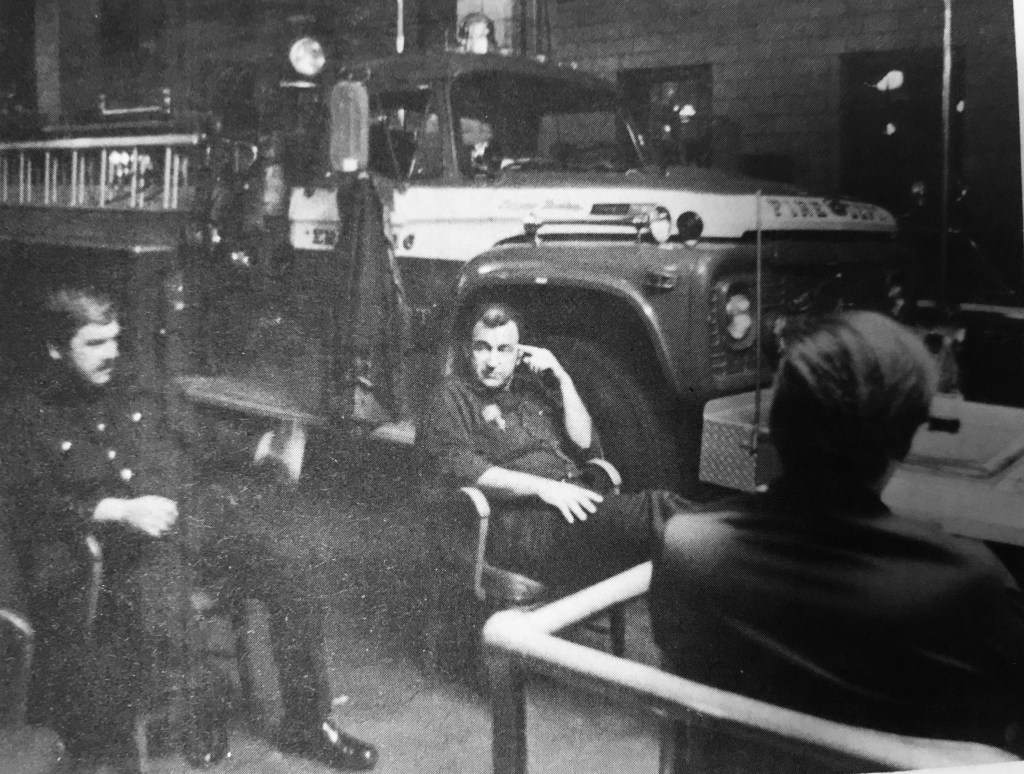
Conversations and storytelling rooted in the experiences of seasoned firefighters is an essential tool for preparing recruits for the challenges of the fire service. Beyond formal training, these discussions bridge the gap between textbook knowledge and the realities of the job, providing context, nuance, and invaluable insights that can’t always be taught in the academy.
Veteran firefighters often share their experiences, offering lessons learned from both successes and mistakes. These stories provide practical advice on everything from navigating the dynamics of a fire scene to understanding the physical and emotional toll of the profession. Hearing firsthand accounts of past incidents helps recruits grasp the complexities of decision-making under pressure and the importance of teamwork and adaptability.
This dialogue also fosters a sense of camaraderie and continuity. By sharing their experiences, senior firefighters pass down the traditions, values, and culture of the fire service, creating a shared identity among team members. For new firefighters, this connection to the past strengthens their sense of purpose and commitment to their role.
Perhaps most importantly, occupational dialogue reinforces the importance of safety. By discussing how lessons were learned — often the hard way — veteran firefighters help newer ones understand the rationale behind modern safety protocols, ensuring that these measures are not seen as arbitrary but as essential safeguards.
It is an exchange of wisdom that equips new firefighters with the knowledge, perspective, and confidence needed to grow into their roles and excel in their careers.
When someone criticizes you for sharing your past experiences, fearing it might lead younger firefighters into recklessness, remind them of the purpose behind such stories. These narratives are not about glorifying dangerous practices but about passing on lessons learned, fostering understanding, and strengthening the bonds between generations of firefighters. Storytelling is not just a tradition in the fire service—it is a vital educational tool that prepares recruits to face the challenges ahead with wisdom, safety, and confidence. Sharing experiences ensures that the past informs the future, helping to create a stronger, smarter, and safer fire service for all.
- McCarl, R. (1985) The District of Columbia Fire Fighters’ Project A Case Study in Occupational Folklife. Smithsonian Institution Press
Title image courtesy of “Man Alive, The Bronx is Burning” BBC Television/YouTube.
 Data Not Drama