By John Spera
20 October 2026
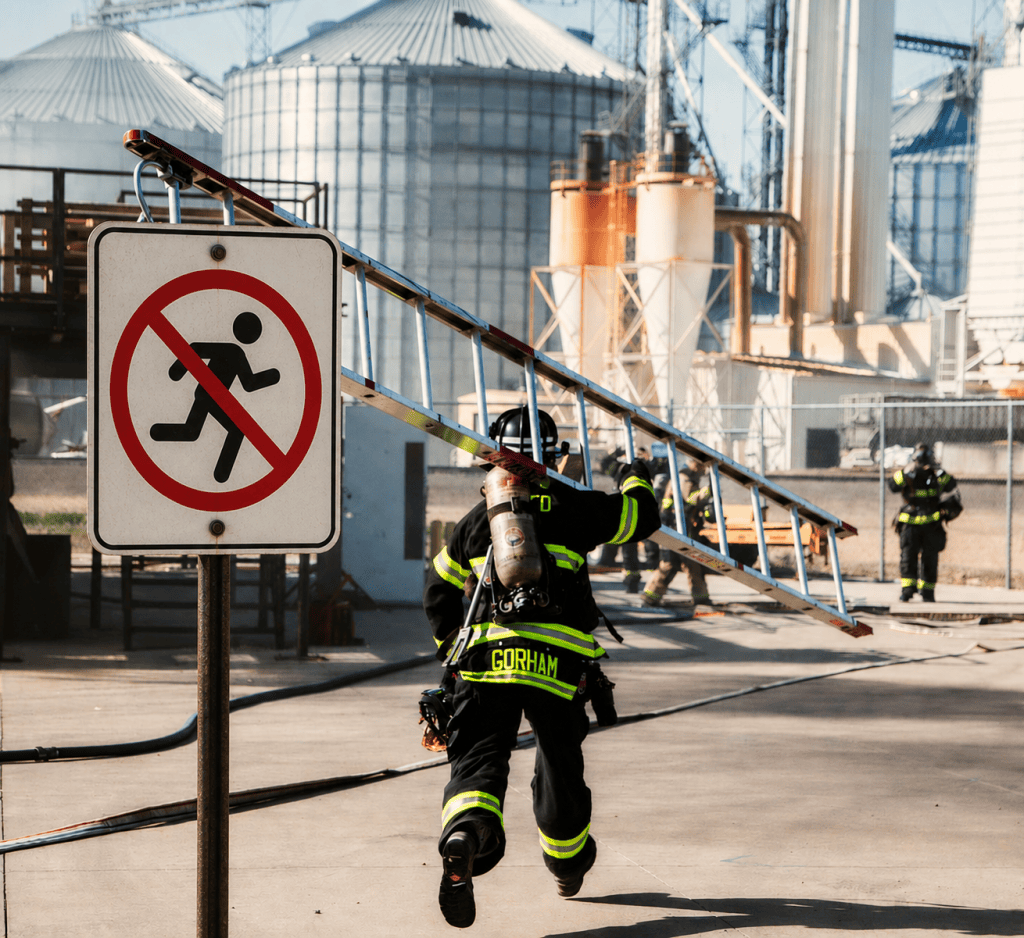
The conversation about running on the fireground often becomes a heated debate. Some automatically think of an out-of-control, panicked firefighter when the word “running” comes up, and some were told once as recruits in their fire academy, “You should never run,” never thinking that was because they were brand new and just learning.
If we are only going to do what we were told when we were brand new, how do we truly get better?
I believe we can all train to a level where we can run when needed and still demonstrate competence and the ability to make good decisions, positioning us to reach victims and the fire more quickly.
And for those who only think of a reckless, out-of-control firefighter who can’t make good decisions when we talk about running, understand that’s coming from one’s own experience, instruction received, and not what we are referring to here or have experienced ourselves.
As Ben Shultz says, “Time is our enemy, and speed is our weapon” when it comes to operating on the fireground. But speed should never be confused with panic. The goal is to move with intelligent, intentional aggression, fast enough to make a difference, yet controlled enough to make the right decisions.
We count seconds because every second counts when lives are on the line.
As time passes and it always does, fire conditions worsen, victims lose survivable time, and opportunities to change the outcome disappear with every passing second.
We should move as if it were our own family trapped inside. That mindset changes everything. Unfortunately, running on the fireground is often criticized as reckless or as something that prevents firefighters from thinking clearly.
The reality is that there are moments when moving at a walking pace simply isn’t enough. There are times when the situation demands speed, and those who are physically and mentally prepared can move quickly while remaining disciplined, aware, and in control.
The key is understanding that speed is a skill that must be developed. We don’t ask firefighters to sprint into chaos without preparation. We use the crawl-walk-run progression.
First, we learn the skill correctly. Then we perform it consistently. Finally, we increase speed while maintaining the same standard of movement and decision-making. Speed should never come at the expense of competence, but competence should ultimately be expressed at speed.
None of that is possible without fitness. Fitness is what allows a firefighter to move fast without falling apart. It provides the strength to accelerate under load, the work capacity to sustain that pace, the balance and coordination to move safely over obstacles, and the cardiovascular reserve to make sound decisions instead of being consumed by exhaustion.
An unfit firefighter may be able to sprint for a few seconds, but they often can’t maintain speed, recover quickly, or think clearly once their heart rate spikes. Fitness isn’t about looking athletic; it’s about preserving performance when the environment is trying to take it away.
This is especially true in full turnout gear.
Fit firefighters not only move faster but also recover faster, use air more efficiently, and retain the cognitive capacity to size up changing conditions and make good decisions. Fitness doesn’t replace skill, but it allows skill to be expressed with speed under stress.
If we never train to move fast, we shouldn’t expect to perform fast when lives depend on it. Firefighters must develop the ability to think, communicate, and execute under pressure. That means training skills at progressively higher speeds while simultaneously building the fitness necessary to support those speeds in full gear.
Intelligent aggression isn’t reckless; it is the product of countless repetitions of skills, exceptional fitness, disciplined training, and confidence built through preparation. When skill and fitness come together, firefighters can move with urgency without sacrificing judgment.
On the fireground, time is always working against us. The firefighters who have trained to move with purpose, precision, urgency, and the physical capacity to sustain it give themselves, their crew, and the people they serve the greatest chance of survival.
We should all be training to move at the pace we’d want firefighters to move for our own families.


Leave a Reply